Jamaican Food Traditions That Define Island Cooking
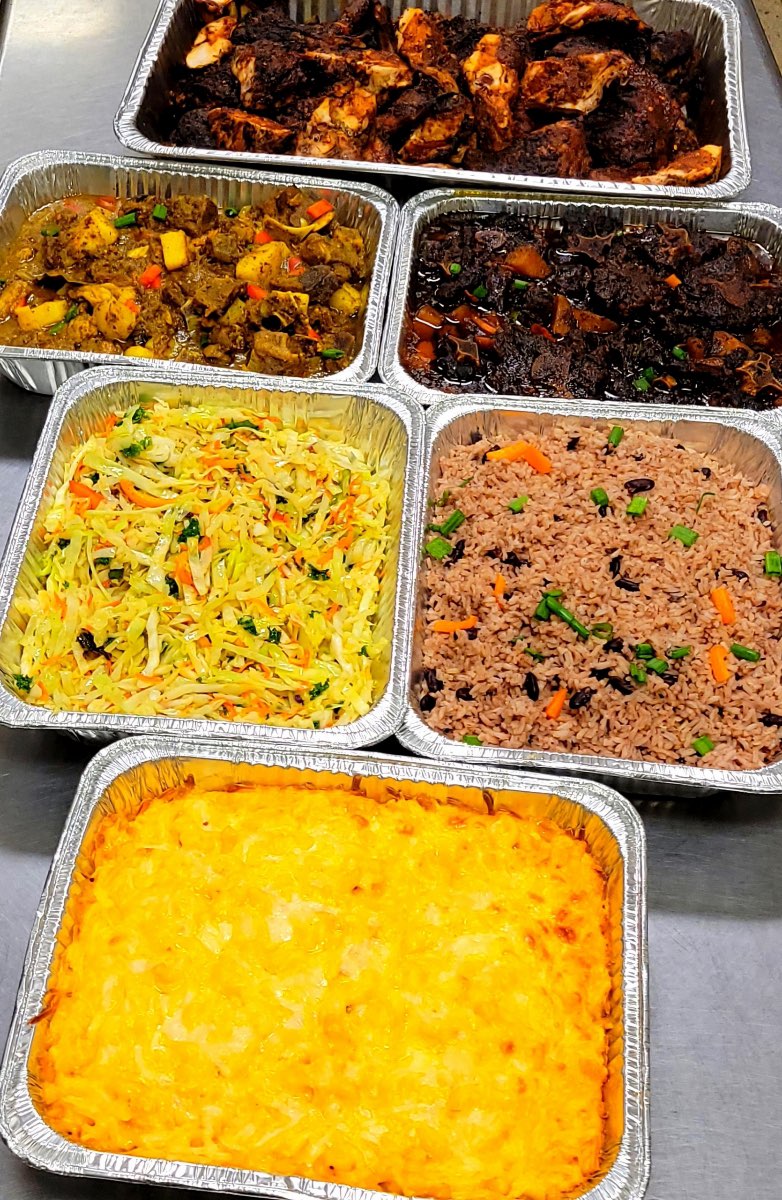
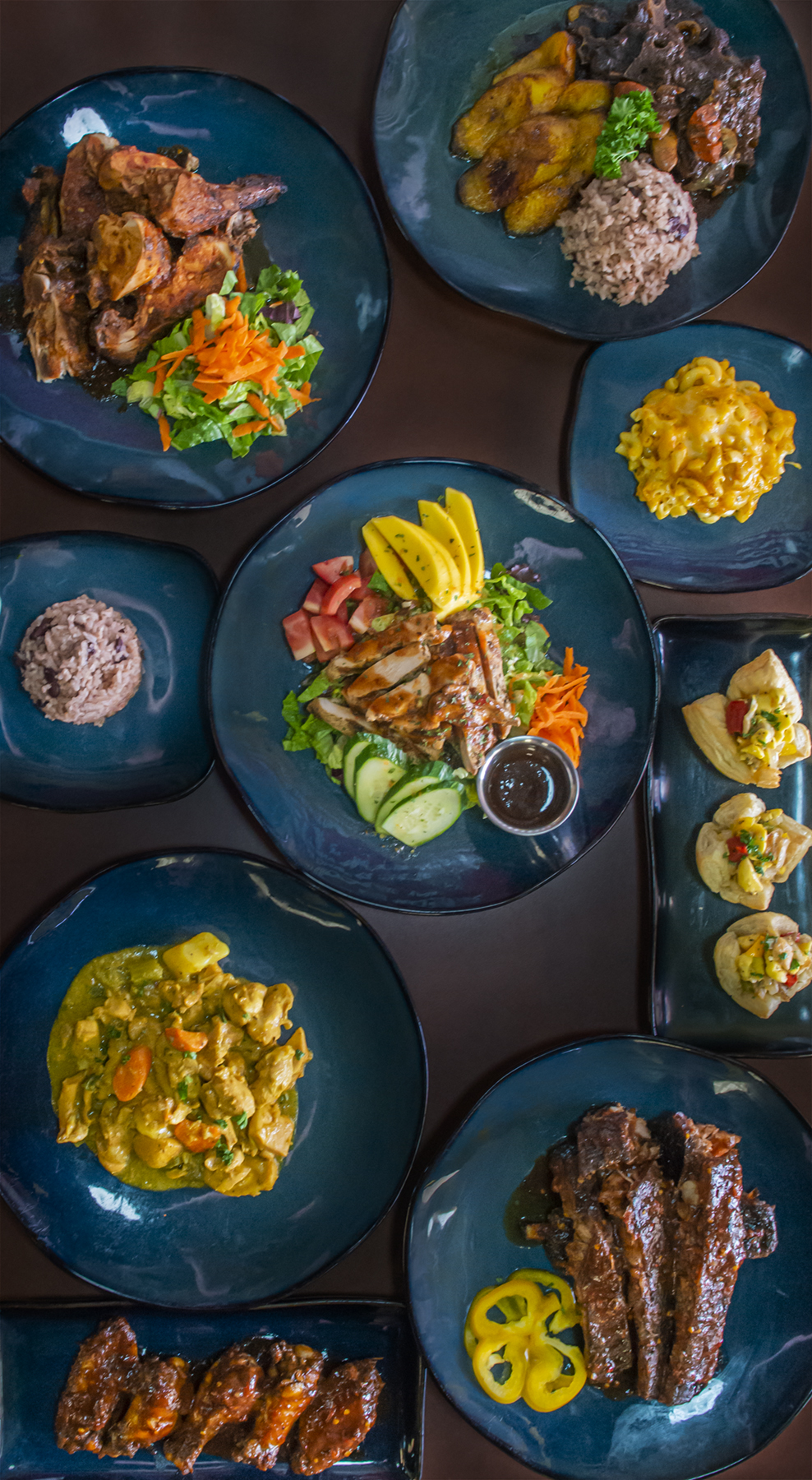
Jamaican food carries the history of the island in a way few cuisines do. You taste movement, survival, adaptation, and celebration in nearly every pot. African cooking knowledge sits alongside Indigenous ingredients, European preservation methods, Indian spices, Chinese techniques, and local ingenuity shaped by climate and necessity. The result is not a loose collection of famous dishes. It is a disciplined food culture with strong habits, clear flavor logic, and deep emotional weight.
People who know Jamaican food well often talk first about intensity, the fire of Scotch bonnet, the smoke of pimento wood, the sweetness that rounds out heat, the sharpness of fresh thyme, scallion, and ginger. Those details matter, but they are only part of the story. Jamaican cooking is also defined by timing, by how long a pot is left to develop, by when a marinade is rubbed into meat, by which foods belong to mornings, weekends, funerals, Christmas, or roadside gatherings. It is a cuisine of technique and memory as much as flavor.
To understand what defines island cooking in Jamaica, it helps to look beyond restaurant shorthand. Jerk matters, certainly. So do patties and rum cake. But the traditions that shape Jamaican food run through breakfast tables, market stalls, cookshops, home kitchens, and beachside grills. They show up in how ingredients are seasoned, in what gets preserved, in how people use starches, and in the ritual of feeding a crowd well.
Seasoning as a way of thinking
One of the clearest Jamaican food traditions is the seriousness of seasoning. In many Jamaican kitchens, seasoning is not a last-minute flourish. It is the foundation. Meat is washed, trimmed, rubbed, marinated, and often left to absorb flavor long before it sees heat. Fish is treated with similar care. Vegetables, too, are expected to carry more than their own plain taste.
A standard Jamaican seasoning base often includes scallion, thyme, garlic, onion, ginger, black pepper, Scotch bonnet, allspice, and sometimes browning, soy sauce, vinegar, or citrus. The exact combination shifts by household and dish. Some cooks lean green and herbal. Others push deeper into spice and smoke. The important point is that food is expected to taste seasoned all the way through, not just on the surface.
That expectation changes the cooking itself. Stew chicken, for example, is not simply chicken simmered in gravy. Properly made, it has layers built before the pot even starts. The chicken is seasoned in advance, often browned to develop both color and flavor, then simmered with aromatics until the sauce carries the essence of the meat and the seasonings together. A weakly seasoned stew stands out immediately, and not in a good way.
This habit of thorough seasoning also explains why leftovers can be excellent. A curry goat or pot of red peas soup often tastes even better the next day because Jamaican cooking regularly rewards time. Spices bloom, starches soften, and meat relaxes into the liquid. The cuisine has a patience to it that fast service sometimes obscures.
Jerk as craft, not just a flavor label
Outside Jamaica, jerk is often reduced to a spice mix. On the island, it is a method, a seasoning tradition, and a social event all at once. Real jerk depends on balance. Heat matters, but so do wood smoke, pimento, thyme, scallion, and the long penetration of spice into the meat.
Jerk has roots tied especially to the Maroons, who developed preservation and cooking practices in difficult conditions. The combination of heavy seasoning, smoking, and slow cooking made practical sense. It helped flavor and preserve meat, and it suited a way of life that required mobility and resourcefulness. Over time, jerk became one of the island’s defining culinary expressions.
Traditional jerk cooking uses pimento wood and leaves, and that detail is not decorative. Pimento, known elsewhere as allspice, gives a distinctive warm aroma that dry spice alone cannot reproduce. When meat cooks over pimento wood, especially in a jerk pan or pit, the smoke becomes part of the seasoning. The result is deeper and rounder than meat dusted with a bottled jerk blend and grilled quickly.
Jerk pork is often the benchmark because pork takes smoke and fat rendering beautifully. Jerk chicken is more common in many commercial settings because it cooks faster and reaches a broader market. Both can be excellent. The difference usually comes down to attention. Good jerk requires enough time for the exterior to char without turning bitter and for the interior to stay juicy. Scotch bonnet should be fierce, but not so dominant that it wipes out thyme and pimento. A skilled jerk cook knows exactly when to move meat to a cooler section of heat and when to let smoke do the work.
Roadside jerk centers are part of the tradition, too. They are less about novelty than consistency. Customers return to the cook whose balance they trust, whose festival is just sweet enough, whose roasted breadfruit arrives at the right moment, whose sauce complements rather than overwhelms the meat. That loyalty says a lot about Jamaican food culture. Reputation is built on repetition and precision.
The central role of ground provisions and starches
Jamaican food is often discussed in terms of meat and spice, yet the island’s starches are just as defining. Rice and peas may be the most recognized, but ground provisions shape daily eating in a more fundamental way. Yam, green banana, boiled dumpling, coco, cassava, sweet potato, and breadfruit all hold important places on the table.
These foods do more than fill a plate. They anchor meals and provide contrast. A fiery escovitch fish becomes more satisfying beside bammy or festival. A rich brown stew feels complete with rice and peas or plain rice. Boiled green banana and yam turn breakfast into something substantial and sustaining, especially when paired with ackee and saltfish, callaloo, or mackerel.
Breadfruit deserves special mention because it captures the Jamaican habit of versatility. Roasted over open flame, it develops a smoky crust and soft interior that can stand in for bread, potato, or even a simple snack with butter. Fried breadfruit is different again, crisp outside and creamy within. In home kitchens, leftover roasted breadfruit might appear the next morning, reheated in a pan and served with tea or fish. That kind of practical reuse is common in Jamaican cooking. Food is expected to be flexible, not precious.
Rice and peas also tell a larger story. Despite the name, the dish usually uses red kidney beans or gungo peas, cooked with coconut milk, thyme, scallion, and Scotch bonnet. On Sundays especially, it signals a proper dinner. Every household has a preferred texture. Some want each grain distinct and lightly glossy. Others like the rice softer, almost plush from coconut milk. Small differences matter, and families notice them.
Breakfast that means business
Jamaican breakfast traditions are serious, hearty, and often savory. This is not a culture that treats breakfast as an afterthought. The morning meal can be one of the most distinctive windows into island cooking.
Ackee and saltfish remains the emblematic dish, and rightly so. Ackee, with its delicate texture and buttery quality, needs gentle handling. Saltfish brings salinity and structure. Together with onion, tomato, scallion, thyme, black pepper, and Scotch bonnet, they create something subtle and bold at the same time. It is easy to make a version that looks right but tastes flat. The best ones keep the ackee intact, soften the saltfish enough to integrate it, and avoid drowning everything in grease or overcooking it into mush.
Pairings matter here. Fried dumpling adds crispness and chew. Boiled green banana offers a plainer counterpoint. Breadfruit gives a smoky starch that turns the plate into a full meal. In many Jamaican homes, this is not special-occasion food only. It is ordinary in the best sense, familiar, expected, and deeply satisfying.
Other breakfasts tell similar stories. Callaloo with saltfish, liver with onions, mackerel rundown, cornmeal porridge, and hominy corn all point to a cuisine that values substance. Porridge, in particular, reflects a long tradition of making humble ingredients nourishing and flavorful. Cornmeal porridge thickened with milk or coconut milk, spiced with cinnamon and nutmeg, lightly sweetened, can carry someone through half a day’s work. Peanut porridge and plantain porridge follow the same logic. These are not dainty bowls. They are practical, economical, and comforting.
Soups on Saturdays and other weekly rhythms
Many food traditions in Jamaica are tied to the calendar. Saturday soup is a well-known example. Across the island, Saturday often means a pot of red peas soup, chicken foot soup, mannish water, fish tea, or pumpkin soup. The exact choice depends on region, household, and budget, but the principle is stable. Soup is not a side note. It is a meal and a ritual.
Red peas soup captures this especially well. It combines kidney beans, salted meat or fresh meat, dumplings, yam, coco, and spices into a thick, robust bowl that eats like a full lunch. The dumplings soften and enrich the broth. The provisions release starch. The meat adds depth. A good pot should feel generous, not watery, and seasoned enough that every spoonful tastes developed.
Mannish water, often associated with celebrations and outdoor cooking, carries its own significance. It is famous for being restorative, though the real appeal is flavor and community. It usually appears when people are already gathered, talking, waiting, and eating in stages. Jamaican food often works this way. A meal may unfold over time, with soup first, then roast or fried items, then sweets later. The structure is social rather than strictly formal.
Sunday dinner has its own rhythm. Rice and peas, a stewed or roasted meat, vegetables, and perhaps macaroni and cheese in some homes, form the kind of meal people remember for years. These weekly habits matter because they preserve dishes that might otherwise become occasional restaurant fare. In Jamaica, tradition survives because it remains regular.
Preservation, salt, and the wisdom of older methods
Jamaican food traditions were shaped in part by the need to preserve ingredients in a hot climate and in periods of scarcity. Salted cod, salted beef, pickled vegetables, smoked meats, and sun-dried ingredients all fit into this older logic. Some of these practices arrived through colonial trade networks. Others grew from local necessity. Together they taught generations of cooks how to build flavor from what was available.
Saltfish is the best-known example. Before refrigeration, preserved cod could travel and keep. In Jamaican kitchens it became more than practical. It became beloved. Once soaked and boiled to remove excess salt, it could be flaked into ackee, fritters, rundown, or simple sautéed dishes. Its assertive taste means a little goes a long way, which is useful in family cooking.
Escovitch also reflects preservation habits. Fried fish topped with a sharp dressing of vinegar, onions, carrots, Scotch bonnet, and spices can hold for a time while developing more flavor. The same principle applies to pickled vegetables served with fish or meats. Acidity is not just brightness. It is part of an older toolkit.
Even the use of browning in stews points to a preference for deeper, more developed flavors associated with long cooking and caramelization. Jamaican cooks often know by eye whether a pot has reached the right color. Too pale, and the stew tastes unfinished. Too dark, and bitterness creeps in. That kind of judgment usually comes from repetition, not recipes.
Street food and the art of quick satisfaction
If home cooking preserves continuity, street food showcases Jamaican speed and improvisation. Patties, coco bread, fried fish, roast corn, soup from a roadside stand, jerk from a drum pan, and bag juice from a freezer all belong to everyday food life. These are not secondary to the cuisine. They are one of its public faces.
The Jamaican patty is a good example of local adaptation and confidence. Its flaky crust, often tinted golden with turmeric or curry, wraps fillings like beef, chicken, vegetables, or saltfish. The best patties balance crust and filling carefully. A dry filling ruins the experience. So does a crust that shatters into dust without tenderness. Patties are portable, affordable, and deeply woven into school, work, and travel routines.
Coco bread and patty together form one of those combinations outsiders sometimes discover late and immediately understand. The soft bread cushions the heat and spice of the patty while making the snack into a more complete meal. It is practical, but also texturally smart.
Then there are fritters, especially saltfish fritters. These depend on batter texture, oil temperature, and restraint. Too much batter and they become heavy. Too little seasoning and they disappoint. Eaten hot, with enough saltfish to flavor each bite, they show the Jamaican ability to make something memorable from simple pantry ingredients.
Sweetness, baking, and festive food
The savory power of Jamaican food sometimes overshadows its sweets, but baking traditions are part of what defines island cooking. Black cake at Christmas, gizzada, grater cake, toto, bulla, and coconut drops all point to a strong culture of home and small-scale baking.
Black cake is the grand statement. Dense, rich, and fragrant with soaked fruits and rum or wine, it is not a casual everyday cake. It belongs to celebration. The fruits are often soaked for weeks or longer, and the cake itself can vary from almost pudding-like to more structured, depending on the baker. This is a dessert where family formulas matter. People compare versions, defend preferences, and remember who made the best one.
Coconut appears everywhere in Jamaican sweets, and for good reason. It is abundant, adaptable, and expressive. Gizzada, with its pinched pastry shell and sweet spiced coconut filling, offers contrast between crisp and sticky. Grater cake and coconut drops are simpler but no less tied to memory. They are the kind of treats people associate with school gates, local shops, and visits to relatives.
Even beverages follow traditional lines. Sorrel at Christmas, often brewed with ginger and sometimes fortified, is a seasonal marker as powerful as any dessert. Irish moss drinks, peanut punch, and carrot juice reveal another side of Jamaican food culture, one that values drinks as nourishment, not only refreshment.
Regional differences and household signatures
There is no single Jamaican table. Portland is not Kingston. Rural St. Elizabeth cooking does not look exactly like urban lunch spot cooking. Coastal communities naturally emphasize fish and shellfish differently than inland ones. Availability changes dishes. So does religion, migration, and income.
That variation is important because it keeps the cuisine alive. One cook may use more coconut milk in rundown. Another may lean harder on black pepper in stew peas. Some families make firmer dumplings, others softer. Festivals can be sweeter in one parish and denser in another. None of this weakens the tradition. It proves that Jamaican food is not a museum piece.
Diaspora cooking adds another layer. Jamaican families abroad often adapt recipes to ingredient availability while fighting to keep flavor integrity. Scotch bonnet may be harder to find in some places. Breadfruit can be seasonal or expensive. Saltfish remains accessible, but fresh callaloo may not. Good cooks adjust without surrendering the character of the dish. That balance, adaptation without dilution, is part of the Jamaican culinary instinct.
What makes Jamaican food unmistakable
At its best, Jamaican food is bold without being careless. It understands contrast. Heat meets sweetness. Smoke meets freshness. Richness meets acid. Soft starches meet crisp fried edges. Long-cooked gravies sit beside bright pepper sauces. Very few great Jamaican meals rely on a single note.
What truly defines the cuisine, though, is the relationship between technique and identity. A Jamaican cook seasons with intention. They know when a dish should be rustic and when it should be polished. They know which foods invite improvisation and which demand respect for the established form. Ackee cannot be bullied. Jerk cannot be rushed. Soup cannot taste thin. Rice and peas cannot be treated like plain rice with beans stirred in at the end. These are standards, not trends.
That is why Jamaican food has such staying power beyond the island. It travels well because it is built on strong methods and clear values. It is generous food, meant to satisfy hunger and create memory. It respects ingredients, but it also asks more of them through seasoning, fire, and time.
When people talk about Jamaican food, they often begin with flavor, and that is understandable. The cuisine is vivid from the first bite. But the traditions that define island cooking go deeper. They live in marinating overnight, in roasting breadfruit on coals, in a Saturday soup pot, in a Christmas cake https://www.showmelocal.com/40349206-reggae-pot-jamaican-grill-centennial fed with rum, in a roadside jerk pan smoking at dusk, and in the expectation that a meal should taste like care, skill, and place. That is the real signature of Jamaican cooking. It is not only delicious. It is unmistakably itself.
Reggae Pot Jamaican Grill
7562 S University Blvd C, Centennial, CO 80122
(303) 997-5623
FAQ About jamaican food
What is the best Jamaican food to try in Centennial?
The best choice depends on your preferences. Reggae Pot Jamaican Grill offers jerk chicken, curry goat, oxtail, and escovitch snapper, along with sides such as rice and peas and fried plantains. Ask the restaurant about current availability and spice levels before ordering.
Is Jamaican food very spicy in Centennial?
Heat varies by dish and preparation. Jerk dishes can be hot, while some stews and sides are milder. Tell the restaurant your preferred heat level and ask which options suit you.
What is typically on a Jamaican menu?
Common choices include jerk chicken, curries, oxtail, fish, patties, rice and peas, and plantains. Reggae Pot also lists ackee and saltfish and vegetable dishes. Menus and availability can change, so confirm your choices when ordering.
Ends · AUGUSTEMQG599